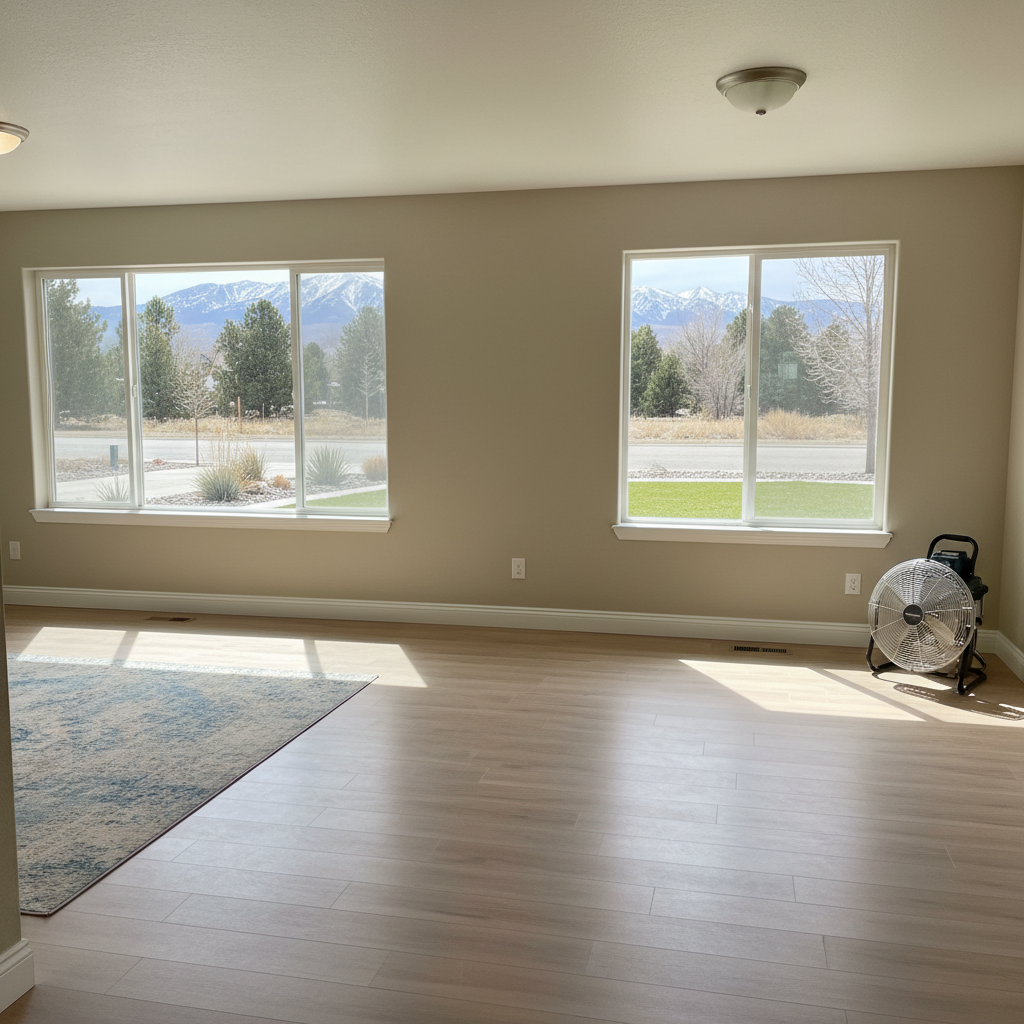
Water in your house changes everything in a matter of minutes. Whether it is a sudden pipe burst during a freezing mountain snap or heavy spring runoff overwhelming your foundation drains, you need to know the financial details of Water Damage Restoration Service. When people call us at Sterling Star Restoration Service, the first thing they ask is what the bill is going to look like. Sterling Star Restoration Service breaks down what flood cleanup actually costs right here in Alpine, UT.
Typical Price Ranges for Flood Cleanup
Most residential water mitigation projects in our area fall between $2,000 and $7,000 for the initial dry-out phase. However, a minor leak caught within a couple of hours might only run you $1,200, while a severe sewage backup or a fully flooded finished basement can easily push past $10,000 before you even start rebuilding.
- Small localized clean water spill: $1,200 to $2,500
- Mid-size multi-room pipe leak: $3,000 to $6,500
- Flooded finished basement: $4,500 to $10,000+
- Category 3 sewage or heavy groundwater contamination: $7,000 to $12,000+
What Actually Drives the Pricing?
Every home sits on different soil and faces unique conditions. Up near the foothills, clay-heavy soils often hold surface water against foundation walls longer than expected during heavy storms, increasing structural exposure. Several key factors determine where your project lands on the pricing scale.
Water category matters. Clean water from a supply line is the cheapest to remediate. Gray water from a dishwasher or washing machine costs more because of detergents and potential contaminants. Black water from a sewer line or ground runoff requires full PPE, specialized antimicrobials, and mandatory disposal of porous materials, driving the price up.
Time is the other major cost driver. If water sits undisturbed for 48 hours, drywall starts wicking moisture upward, insulation mats down, and subfloors warp. At that point, simple drying turns into demolition and reconstruction.
What Should Be Included in a Professional Quote?
A legitimate mitigation quote should never be a single mystery number on a napkin. When you review an estimate from a local contractor, look for explicit line items covering extraction labor, the number of industrial air movers and dehumidifiers deployed, daily monitoring visits, antimicrobial treatments, and debris disposal fees. Keep in mind that mitigation—the emergency dry-out—is almost always priced separately from reconstruction, which is putting the drywall, paint, and flooring back together.
How to Avoid Overpaying
Emergency situations make homeowners vulnerable to inflated pricing. Protect your wallet by taking a few practical steps. Always ask for an itemized estimate based on industry-standard software like Xactimate, which insurance adjusters also use. Do not sign blank authorization forms or open-ended time-and-materials contracts without a hard ceiling cap. Get a second opinion if something feels off, and verify that the crew working on your house carries proper licensing and local references.