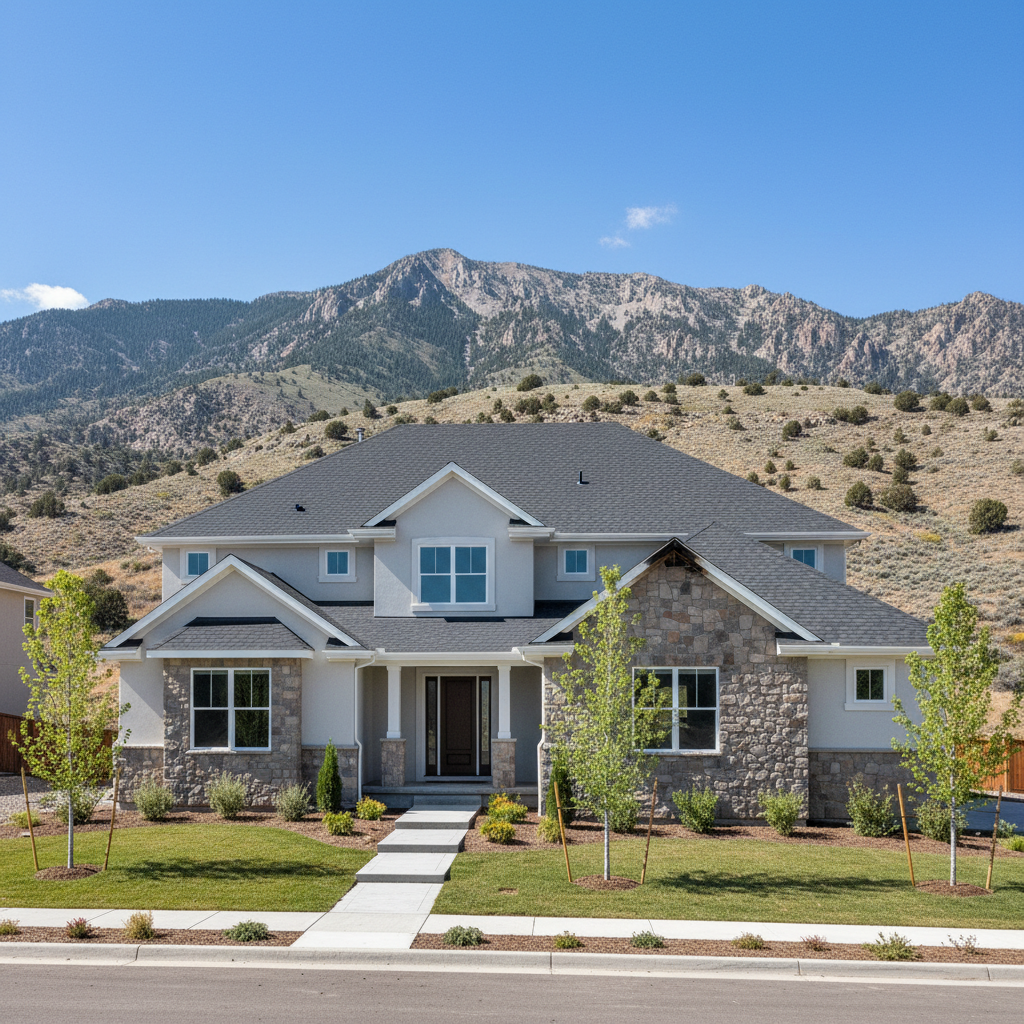
Fire and smoke damage turns your life upside down in an instant. If you are standing in a home near the Wasatch bench that has suffered a fire, you are likely overwhelmed by the smell of soot and the uncertainty of what comes next. Sterling Star Restoration Service has walked many Alpine homeowners through this exact ordeal. Knowing what to expect makes a big difference in keeping your sanity intact.
The Timeline: How Long Does This Actually Take?
Every fire is different, but a standard residential restoration project usually spans anywhere from four weeks to several months. Smaller kitchen grease fires with localized smoke might wrap up relatively fast. Structural blazes that compromise framing or require major mitigation take much longer.
- Emergency boarding and water extraction happen within the first 24 hours.
- Soot cleaning, structural drying, and demolition take about one to two weeks.
- Reconstruction and cosmetic repairs make up the bulk of the remaining timeline.
What to Expect During the Restoration Process
The first phase is all about stabilization. Crews will secure the property, clear out unsalvageable debris, and set up industrial air scrubbers to trap airborne soot particles. Alpine's dry mountain air actually helps with structural drying, but the fine soot dust settles into every crevice. You will not be living in the house during heavy demolition and mitigation phases. Once the framing is repaired and walls are sealed with odor-blocking primers, rebuilding begins.
How to Prepare Your Property and Belongings
Do not try to clean soot-stained walls yourself. Household cleaners often smear the carbon deeper into drywall and paint, making it nearly impossible to remove. Instead, focus on gathering essential documents, medications, and clothes you will need for temporary housing. Inventory what you can safely see from a distance for your insurance adjuster. Let the professionals handle the chemical sponges and thermal fogging equipment.
Questions to Ask Before Signing a Contract
Never sign with a restoration contractor without getting clear answers first. Ask if they handle both the mitigation cleanup and the actual reconstruction. Ask how they manage insurance payouts and whether they work directly with your adjuster. You also want to know who will be on-site managing your project day-to-day. Getting these details in writing ensures your home gets back to normal without unnecessary delays.